Portable MRI

Chipiron
On their mission to revolutionize Magnetic Resonance Imaging, we helped Chipiron conceptualize radically new architectures for several devices enabling unprecedented examinations of human extremities: head, arms, and legs.

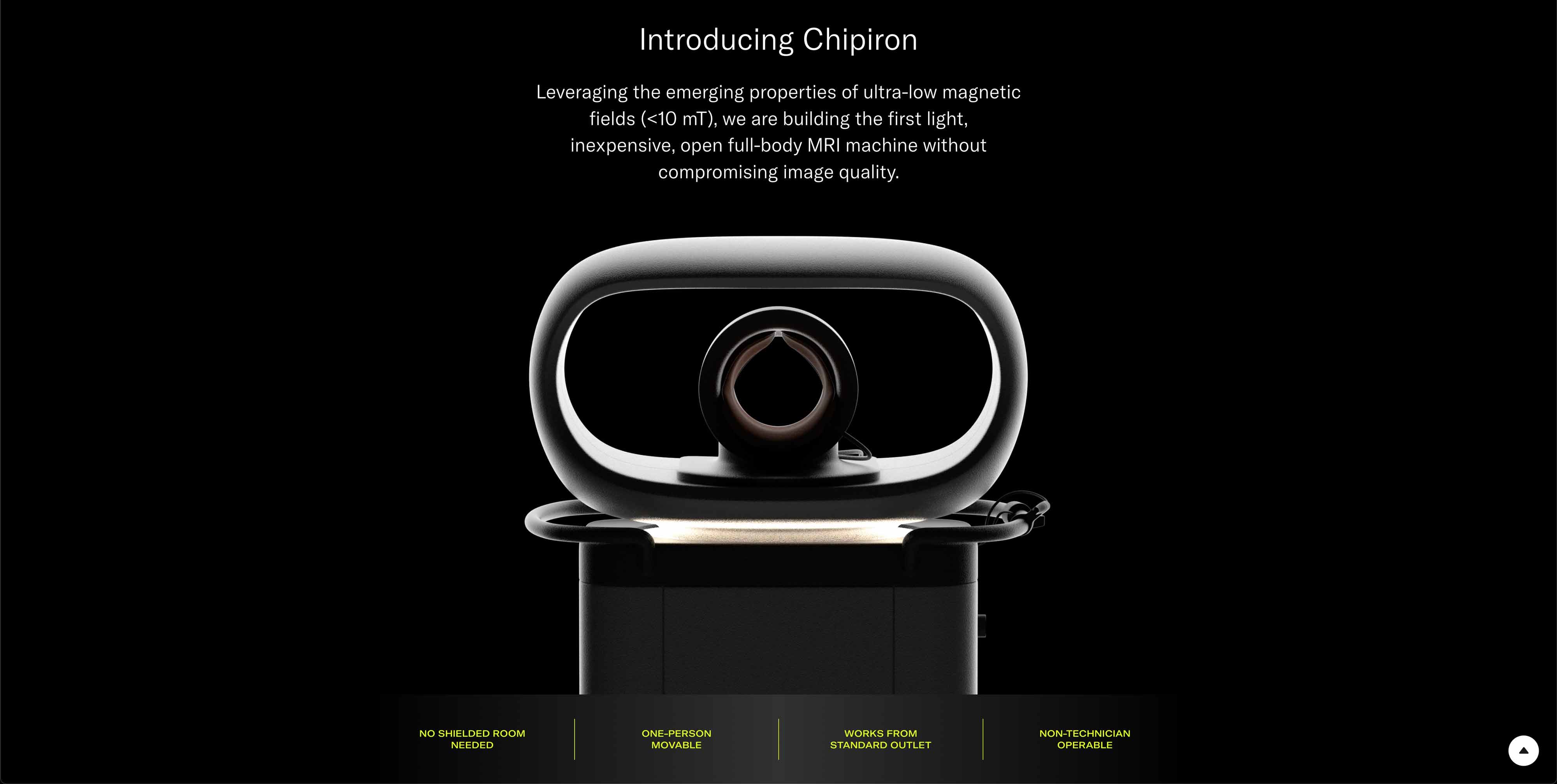
By revisiting and developping new  technology, Chipiron aims to develop low–magnetic-field MRI systems that can operate virtually anywhere, at a fraction of the cost of existing devices.

We investigated two distinct architectural approaches to materialize their research and translate these technological ambitions into coherent, and scalable devices, each exploring different balances between mobility, adaptability, and clinical use cases.
January - 2026
High Tech

A device enabling upright examinations never performed before.

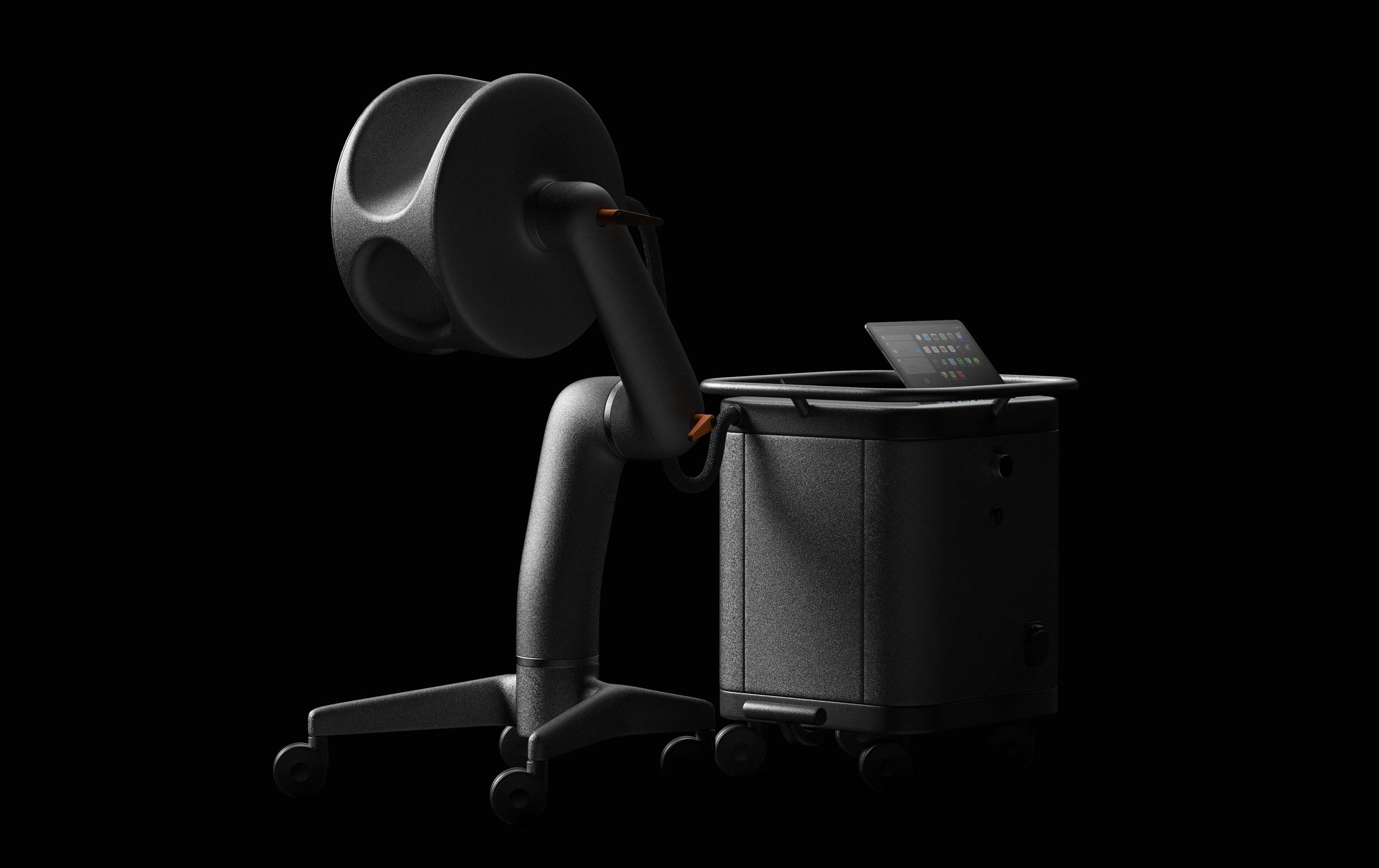
Due to the architecture of conventional MRI systems, the brain has never been studied while functioning in its natural upright, standing position. Likewise, it has not been possible to examine a knee while it is bearing normal body load.

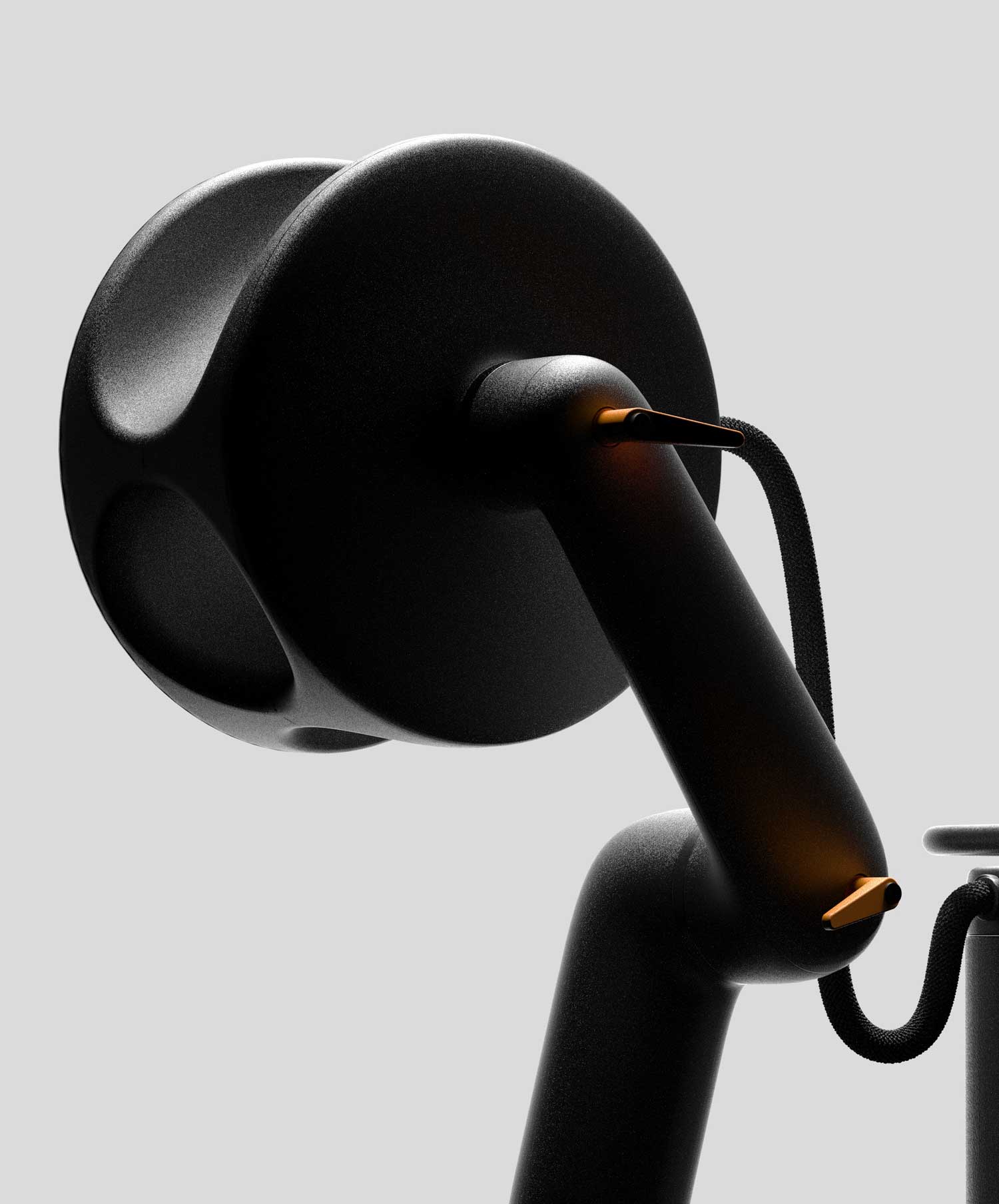
Through design, we have developed a radically new architecture that enables a wide range of previously impossible examinations, in multiple positions, for body extremities.

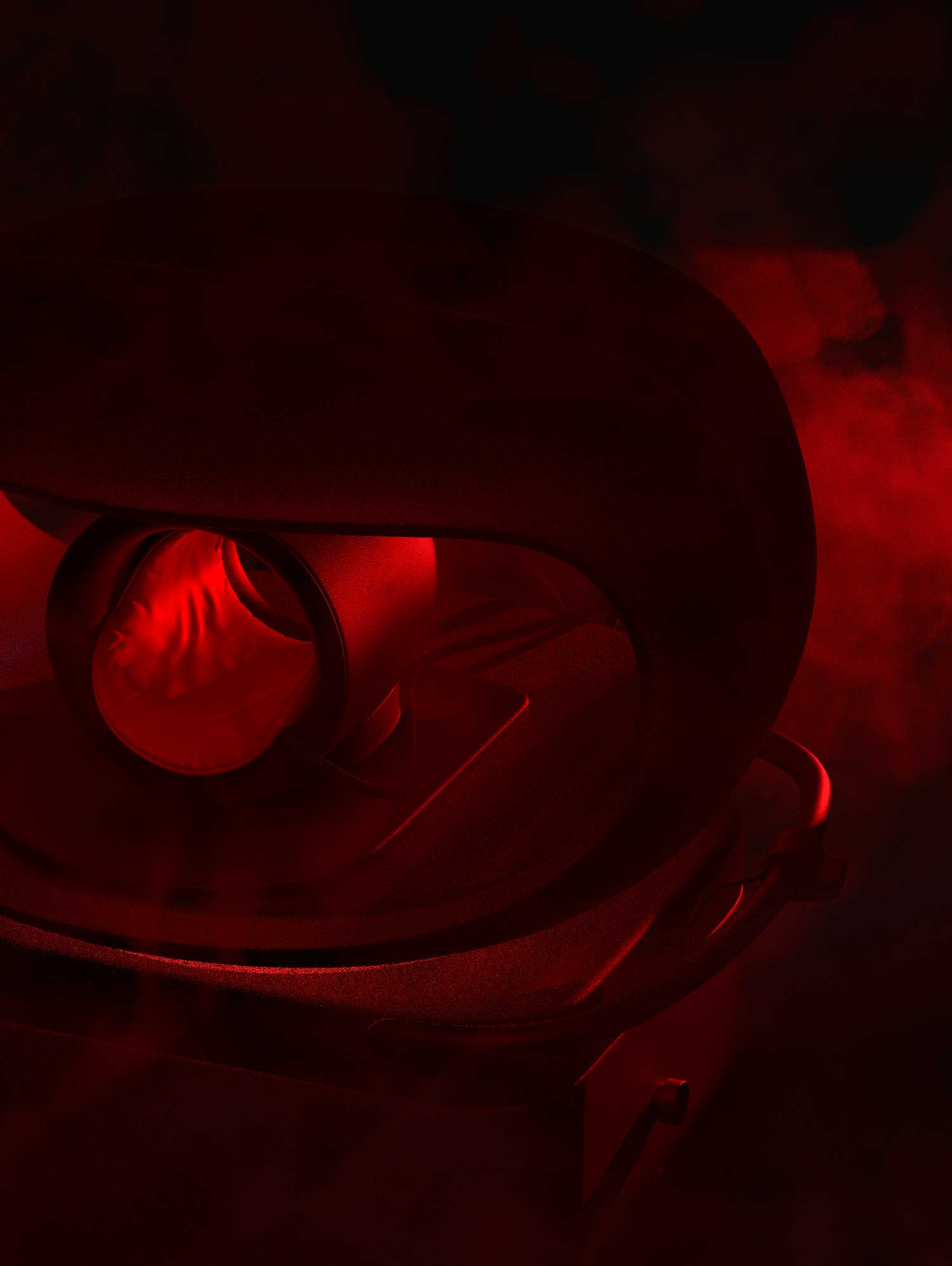
Our key insight was to separate the acquisition coil from the rest of the hardware and mount it on an articulated structure. With only two pivot points, and weight assistance, the system can adapt to many new clinical situations and a wide variety of body types.

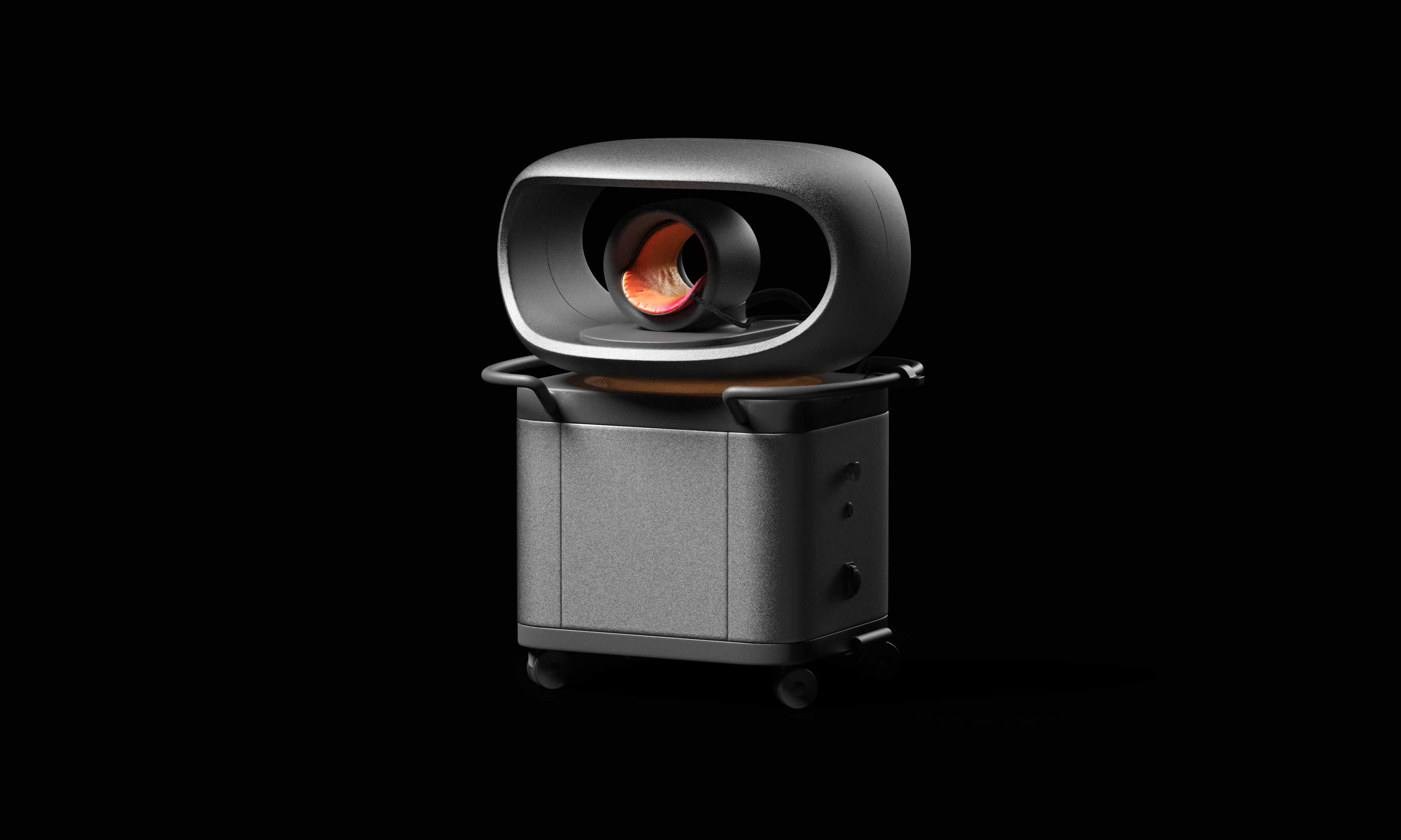
And a second device focused on stability and high-quality imaging

This design prioritizes structural stability, repeatability, and imaging performance. Built around a grounded and robust architecture, it is conceived to support precise and reliable acquisitions across a wide range of clinical contexts.

Its modular, interchangeable acquisition antenna system is the result of a design approach centered on clarity, robustness, and clinical use. By emphasizing rigidity and controlled positioning, the device ensures consistent, high-quality imaging while remaining adaptable to different extremities and patient morphologies.
ATHIME
DE CRECY